
 عرض التفاصيل
How to Select a Solenoid Valve: 7 Parameters to Check
2026-08-186 min readTechnical Guides
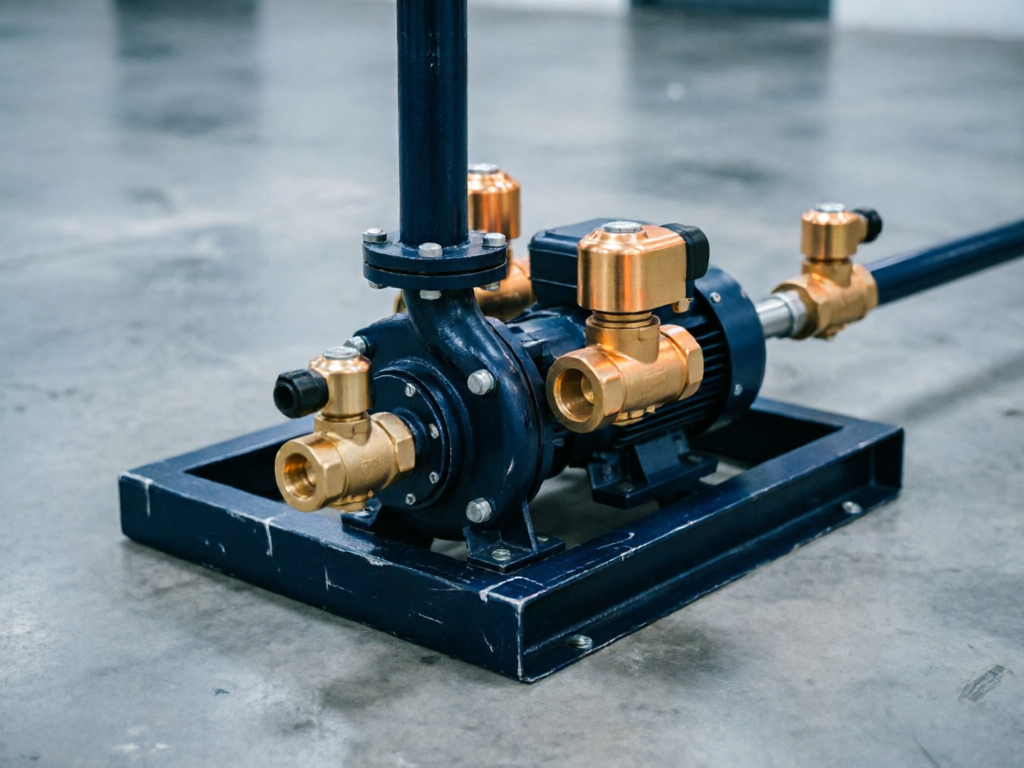
A practical selection checklist covering media, orifice size, port thread, pressure, temperature, voltage and seal material for industrial buyers.
Start with the medium
The medium determines the seal material. Clean water and air work with NBR, hot water above 80 C requires EPDM, steam requires PTFE, and oil or fuel requires FKM. Confirm whether the medium is corrosive before choosing brass or stainless steel body.
Match orifice size to flow demand
Orifice size, not port thread, controls the flow coefficient. A G1" port with a 16 mm orifice flows less than a G3/4" port with a 20 mm orifice. Calculate required Cv from your line flow rate and pressure drop, then select the nearest orifice.
Check minimum working pressure
Pilot operated valves need a minimum pressure differential, typically 0.03 to 0.05 MPa. If your system starts from zero pressure, choose a direct acting valve instead.
Confirm voltage and duty cycle
Coil voltage must match your control supply: AC24V, AC110V, AC220V, DC12V or DC24V. For continuous duty applications check the coil temperature rise and insulation class.
Verify thread standard and connection
Specify G (BSP) or NPT thread clearly at inquiry. Mixing standards causes leakage at the joint and cannot be corrected on site.
Consider environment and protection rating
Outdoor or washdown installations need IP65 coil enclosure. High ambient temperature locations require a coil with suitable insulation class and possibly a lower ambient derating.
Ask for the datasheet before ordering
A complete datasheet should list pressure range, medium temperature, orifice, Cv value, power consumption and materials. Request it from the supplier and compare across models rather than relying on port size alone.
Related Products
عرض التفاصيل عرض التفاصيل
Need the datasheet for a model mentioned in this article?
Request the technical document or send your operating conditions for a matched recommendation.